
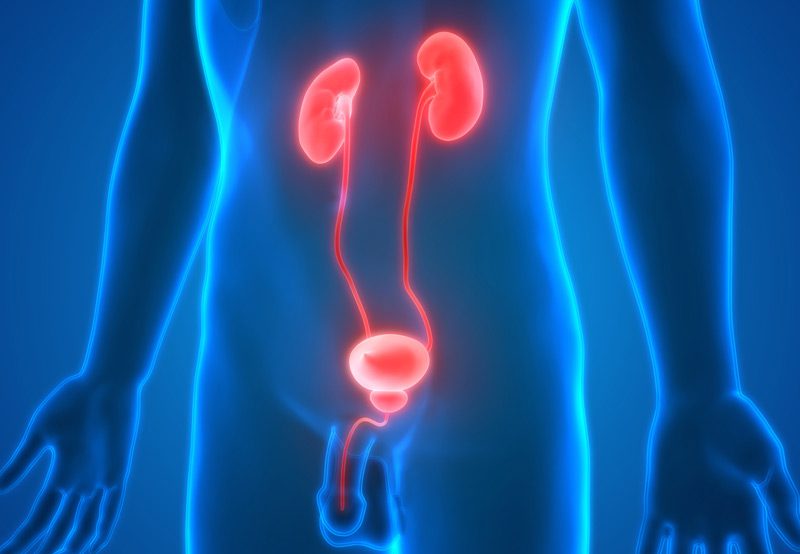

Urethroplasty is a reconstructive surgical procedure used to treat urethral strictures (narrowed segments of the urethra caused by scar tissue). This condition can lead to urinary retention, weak urine flow, infections, and other complications. Urethroplasty offers a durable and often permanent solution when less invasive options like dilation or internal urethrotomy have failed or are not suitable.
Why Urethroplasty Is Performed
Urethral strictures can result from:
- Pelvic or perineal trauma
- Previous catheterization or surgery
- Infections (including STIs)
- Radiation therapy
- Inflammatory conditions
- Congenital defects
Strictures can occur anywhere along the urethra, but are most commonly found in the bulbar and penile segments in men. Women and children may also develop urethral strictures, though less frequently.
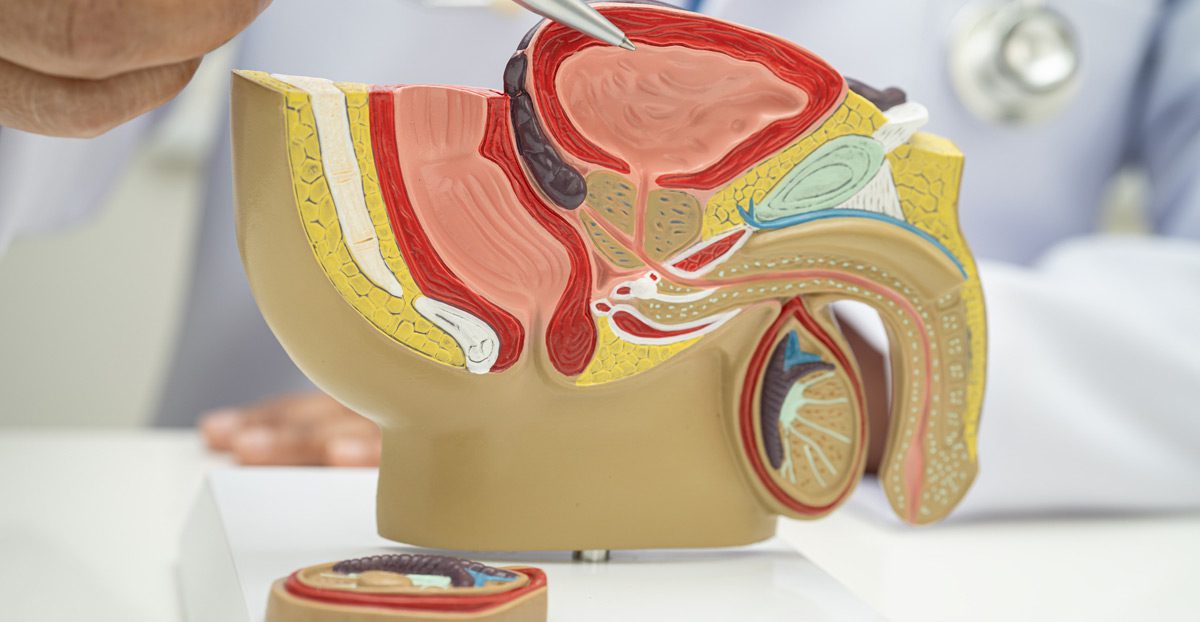
Types of Urethroplasty
- Excision and Primary Anastomosis (EPA): In short strictures (typically less than 2 cm), the scarred segment is removed and the healthy ends of the urethra are reconnected. This is commonly used in the bulbar urethra.
- Augmented Urethroplasty (Substitution): For longer or more complex strictures, grafts (often from buccal mucosa inside the cheek) or flaps are used to reconstruct the narrowed portion of the urethra.
- Staged Urethroplasty: In cases of severe scarring or failed prior surgeries, the repair may be done in two steps over several months, especially when graft healing or tissue quality is a concern.
Benefits of Urethroplasty
- High long-term success rates (often 85–95%)
- Permanent resolution in many cases
- Reduced risk of recurrence compared to dilation or endoscopic methods
- Improved urinary flow and quality of life
What to Expect After Surgery
Urethroplasty is performed under general anesthesia. Most patients go home the same day or after a short hospital stay. A catheter is placed in the urethra and left in for 2-3 weeks to allow the repair to heal. A follow-up imaging study (typically a retrograde urethrogram) checks for healing before the catheter is removed.
Pain is usually mild and managed with oral medications. Activity should be limited for several weeks, and sexual activity should be avoided until cleared by the surgeon. Most patients return to work and normal routines within 2-4 weeks.
Is Urethroplasty Right for You?
If you’ve been diagnosed with a urethral stricture, especially if other treatments have failed, urethroplasty may offer a lasting solution. A consultation with a reconstructive urologist can determine the best surgical plan based on the length, location, and cause of your stricture.