
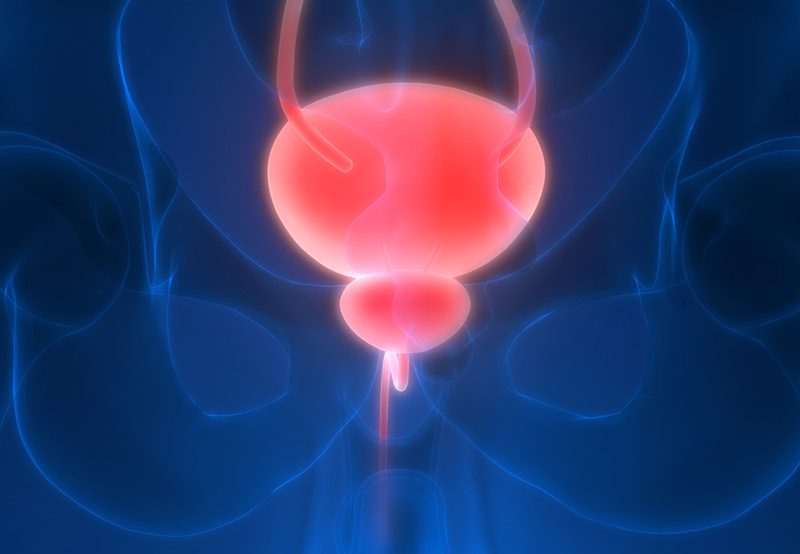
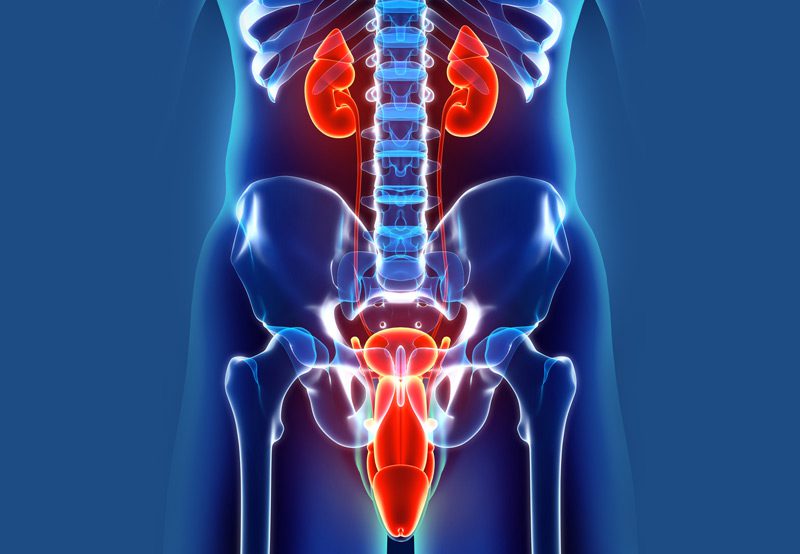
Male urethral slings are a surgical treatment option for men experiencing stress urinary incontinence (SUI), most commonly following prostate surgery such as radical prostatectomy. The procedure provides a minimally invasive alternative to artificial urinary sphincters and is designed to restore continence by repositioning and supporting the urethra.
How Male Urethral Slings Work
A urethral sling is typically made of synthetic mesh material and is placed through a small incision between the scrotum and rectum. The sling is positioned under the bulbar urethra and anchored to surrounding tissue or bone. By providing gentle compression or lifting the urethra into a more functional position, the sling improves resistance to urine leakage during physical activity, coughing, or other stressors.
Who Is a Candidate?
Male slings are generally most effective for men with mild to moderate stress urinary incontinence and those who are not experiencing bladder dysfunction or detrusor overactivity. Ideal candidates often include:
- Men with persistent SUI after prostate surgery
- Men without prior radiation therapy or urethral stricture disease
- Men who are looking for an alternative to an artificial urinary sphincter
Benefits of Male Urethral Slings
- Minimally Invasive: The procedure is done through a small incision and often allows for same-day discharge.
- No Mechanical Device Required: Unlike an artificial sphincter, slings do not require manual operation.
- High Satisfaction Rates: Many patients report significant improvement or complete resolution of leakage.
- Preservation of Sexual Function: The procedure does not interfere with erectile function or sensation.
What to Expect During and After Surgery
The sling procedure is performed under general or spinal anesthesia. Recovery time is relatively short, with most patients resuming light activity within a few days. A catheter is typically placed for 24-48 hours postoperatively. Some temporary swelling or perineal discomfort is common but manageable with oral medications.
Urinary continence results may be seen almost immediately, though final outcomes are typically assessed several weeks after healing. Long-term studies show that many men maintain improved continence for several years after sling placement.
Next Steps
If you’re dealing with stress urinary incontinence following prostate surgery, talk to a urologist experienced in male incontinence procedures. They can evaluate your condition and determine if a male urethral sling is the right approach for your specific needs.