

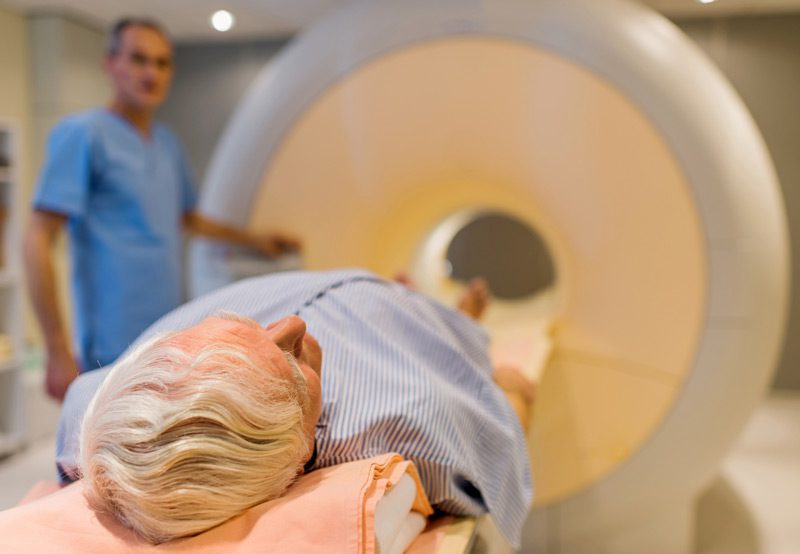
Surviving prostate cancer marks the beginning of a new chapter that focuses not just on being cancer-free, but on navigating the physical, emotional, and sexual effects that can follow treatment. Prostate cancer survivorship care includes ongoing monitoring, recovery support, and individualized strategies to address changes in urinary, bowel, and sexual function—as well as emotional wellbeing.
What Survivorship Care Includes
- Surveillance Monitoring: Regular PSA testing is essential to detect any signs of recurrence. Your care team will determine the frequency of follow-up visits based on your original cancer stage and treatment.
- Urinary and Bowel Health: Many survivors experience issues such as urinary incontinence or bowel urgency after treatment. These symptoms can improve over time or with targeted interventions like pelvic floor therapy, medications, or surgical options.
- Sexual Function: Erectile dysfunction is a common long-term effect, especially after surgery or radiation. Treatment options include oral medications, penile injections, vacuum erection devices, and penile implants. Emotional and relational support can also be essential.
- Hormonal Changes: Men who underwent hormone therapy may notice hot flashes, mood swings, fatigue, or reduced libido. Some symptoms improve after stopping treatment, but long-term hormone suppression may require additional management.
- Emotional and Mental Health: Depression, anxiety, or fear of recurrence are common. Support groups, counseling, and survivorship programs can help address these challenges.
- Bone and Heart Health: Certain treatments, particularly hormone therapy, can increase the risk of osteoporosis and cardiovascular issues. Lifestyle changes, exercise, and routine screenings play a key role in prevention.

Personalized Recovery Plans
Each survivor’s experience is unique. Whether your journey includes surgery, radiation, hormone therapy, or a combination of approaches, survivorship care is tailored to your specific needs and goals. Discussions about lifestyle, nutrition, activity level, and preventive health screenings are part of comprehensive long-term planning.
Support for Partners and Families
Prostate cancer survivorship affects more than the patient—it can change dynamics in relationships and family roles. Educational resources, counseling, and open communication with care providers can help couples and families adapt and maintain connection.
Next Steps
If you are living after prostate cancer treatment, ask your urology or oncology team about a survivorship care plan. This roadmap outlines your follow-up schedule, addresses symptom management, and connects you with ongoing support to protect your quality of life.