

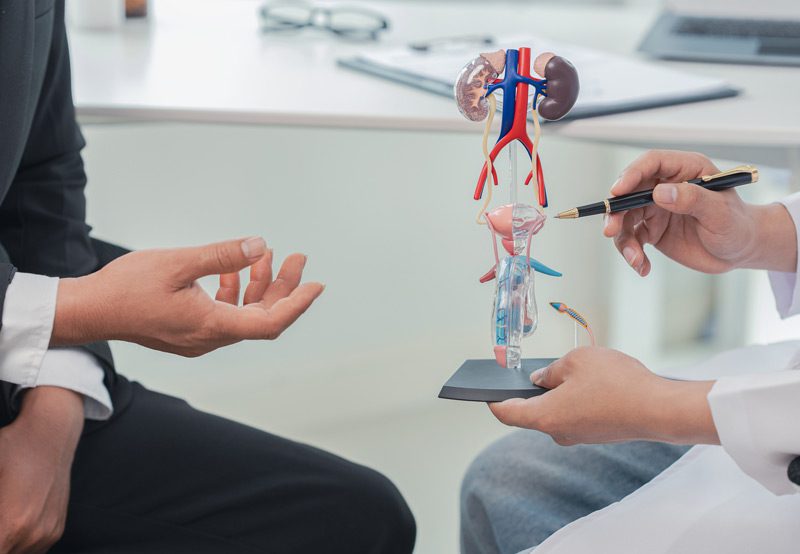
A penile prosthesis is a surgically implanted device used to treat erectile dysfunction (ED) in men who have not responded to or cannot tolerate other treatments like medications, vacuum devices, or injections. For many men with severe or long-standing ED, especially following prostate cancer treatment, pelvic surgery, or as a result of conditions like diabetes, a penile implant offers a highly effective and permanent solution.
Types of Penile Implants
There are two main types of penile prostheses:
- Inflatable Penile Prosthesis (IPP): The most common type, this device consists of two inflatable cylinders placed in the penis, a fluid reservoir in the abdomen, and a pump in the scrotum. When the pump is squeezed, fluid moves into the cylinders, creating a firm, natural-looking erection. Pressing a release valve returns the fluid to the reservoir, deflating the penis.
- Malleable (Semi-Rigid) Prosthesis: This device consists of bendable rods inserted into the penis. It remains firm but can be manually positioned upward for intercourse and downward for concealment. This option is simpler and easier to use, often preferred for men with limited hand dexterity.

Who Is a Candidate?
Penile implants are typically considered for men who:
- Have chronic erectile dysfunction unresponsive to other treatments
- Have ED caused by prostate cancer surgery, spinal cord injury, or diabetes
- Prefer a permanent solution for their ED
- Have realistic expectations and understand the risks and benefits
Benefits of Penile Prosthesis
- Reliable Erections: Offers consistent results with a high satisfaction rate
- Natural Appearance: Inflatable implants provide a discreet, natural look and feel
- Improved Intimacy: Restores sexual function and can significantly improve quality of life
- Minimal Downtime: Most men resume normal activity within 4–6 weeks
What to Expect from Surgery and Recovery
Implant surgery is usually performed under general or spinal anesthesia and takes about one hour. The procedure is typically outpatient, though some patients may stay overnight. Pain, swelling, and bruising are common during initial recovery but are manageable with oral medications. Most patients can return to regular activities, including sexual activity, within four to six weeks.
The device is completely internal and undetectable under clothing. Inflatable implants are activated by a discreet pump in the scrotum, giving patients control over when and how long they maintain an erection.
Next Steps
If erectile dysfunction is interfering with your quality of life and other treatments have failed, a penile prosthesis may be the solution. A urologist can discuss your goals, perform an exam, and help you determine which type of implant best fits your needs.