
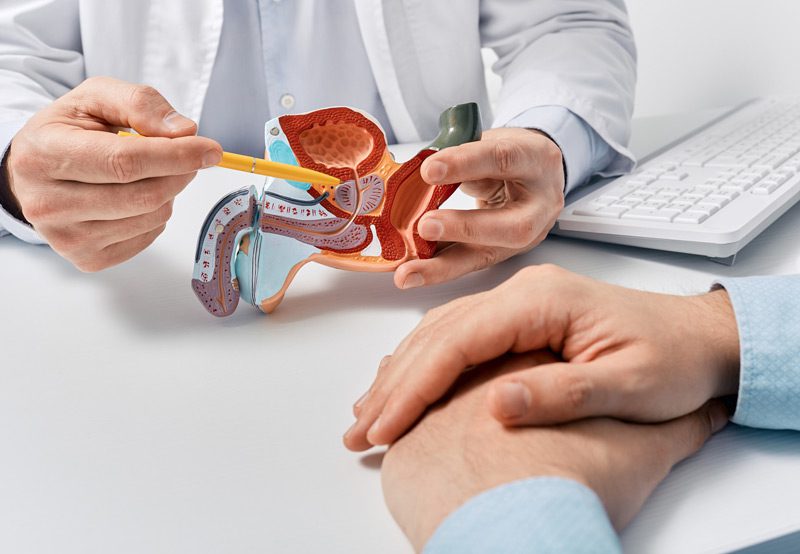
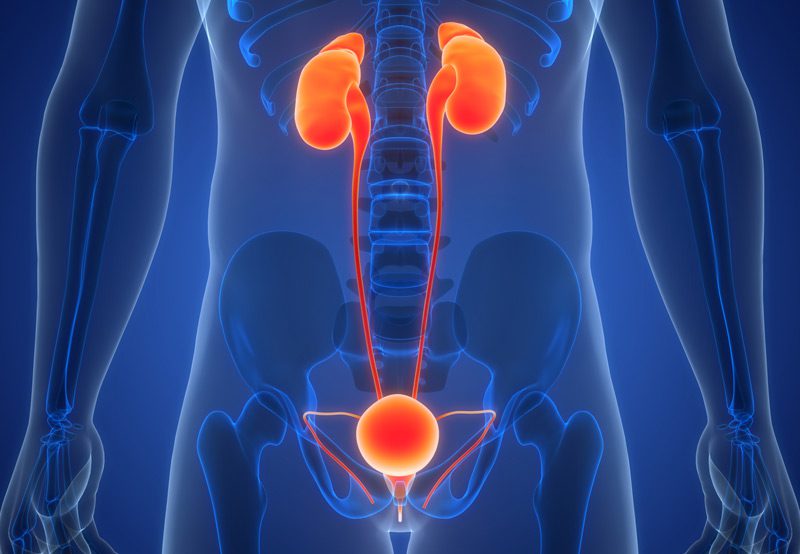
An artificial urinary sphincter (AUS) is a surgical solution for men experiencing moderate to severe stress urinary incontinence (SUI), especially after prostate surgery such as radical prostatectomy. It is considered the gold standard for treating post-prostatectomy incontinence when other options, like pelvic floor therapy or male slings, are not sufficient.
How the Artificial Urinary Sphincter Works
The AUS is a mechanical device implanted inside the body to control the flow of urine. It mimics the function of a healthy sphincter by keeping the urethra closed until the patient is ready to urinate. The system consists of three components:
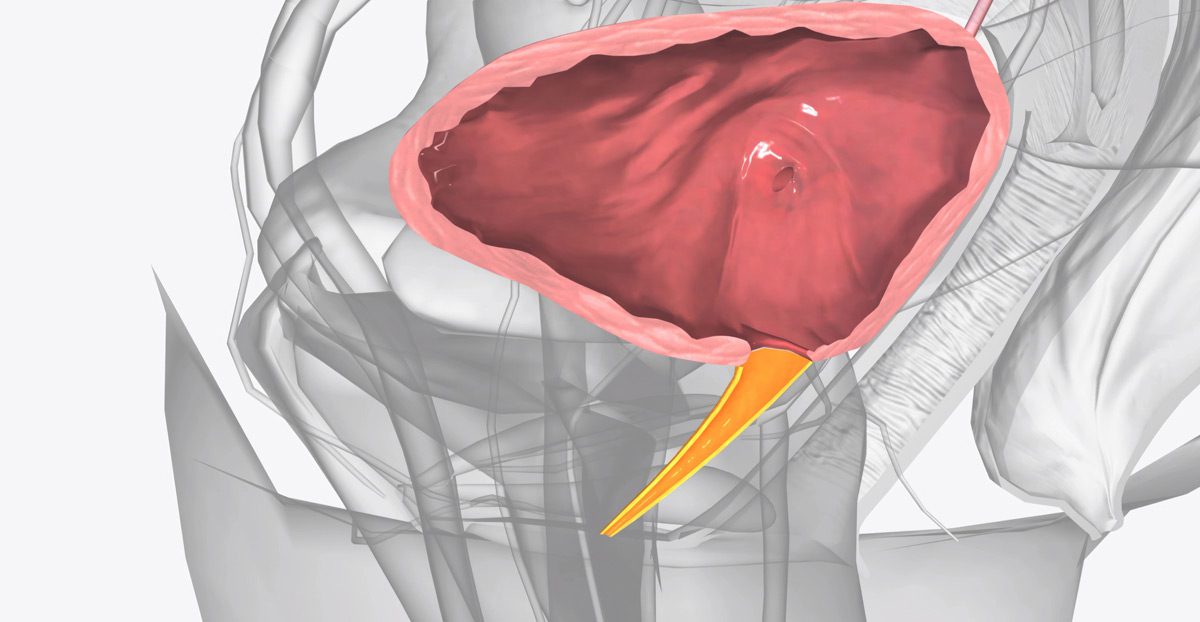
- Cuff: Placed around the urethra to keep it closed and prevent leakage
- Pump: Implanted in the scrotum, allowing the patient to manually control urination
- Balloon Reservoir: Usually placed in the abdomen, helping regulate cuff pressure
To urinate, the patient gently squeezes the pump in the scrotum, which temporarily deflates the cuff and allows urine to pass. The cuff automatically refills after a few minutes to resume continence.
Who Is a Candidate?
The AUS is typically recommended for men who:
- Have moderate to severe stress urinary incontinence
- Have not found success with conservative treatments or slings
- Have good manual dexterity and cognitive function to operate the device
- Do not have ongoing urethral stricture or active urinary tract infections
Benefits of the Artificial Urinary Sphincter
- High Success Rates: Most patients achieve significant reduction or complete resolution of incontinence
- Long-Term Durability: Many AUS devices function effectively for years before needing revision
- Improved Quality of Life: Patients often experience greater confidence and freedom from incontinence products
- Fully Concealed Device: All components are implanted internally and are not visible
What to Expect During and After Surgery
The procedure is typically performed under general or spinal anesthesia and takes about 1-2 hours. Most patients return home the same day or after an overnight stay. The AUS is not activated immediately—a follow-up visit about 4-6 weeks later is required to “turn on” the device once healing has occurred.
Initial recovery includes minor perineal or scrotal discomfort, which is usually managed with oral pain medication. Patients are advised to avoid strenuous activity and heavy lifting for several weeks. Once activated, the AUS can be used regularly, with most patients gaining control over their urinary leakage quickly.
Next Steps
Men living with bothersome urinary leakage after prostate surgery may benefit from an evaluation for an artificial urinary sphincter. A urologist can assess your symptoms, review your history, and determine whether this advanced treatment is appropriate for your situation.