
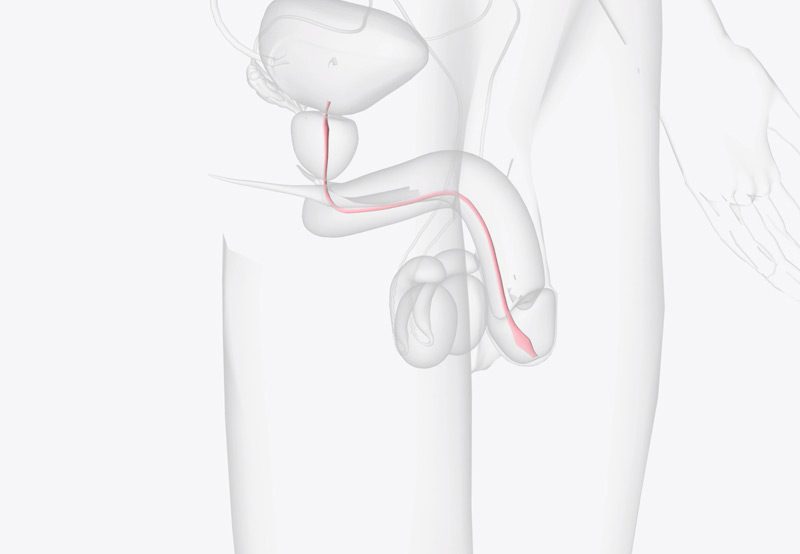

A urethral stricture is a narrowing or blockage of the urethra (the tube that carries urine from the bladder out of the body). This condition restricts the normal flow of urine and can lead to a variety of complications if left untreated. Urethral strictures are more commonly seen in men and can range from mild to severe depending on their length and location.
Causes of Urethral Stricture
Urethral strictures are typically caused by injury, infection, or inflammation that leads to scar tissue formation. Common causes include:
- Trauma or Injury: Pelvic fractures, perineal trauma, or direct injury to the urethra can result in scarring.
- Medical Procedures: Catheterization, cystoscopy, or other instrumentation of the urethra can cause irritation and subsequent narrowing.
- Infections: Sexually transmitted infections such as gonorrhea or chronic urinary tract infections can contribute to scar formation.
- Inflammatory Conditions: Diseases like lichen sclerosus can affect the skin of the genitals and urethra.
- Radiation Therapy: Pelvic radiation used to treat cancers can damage the urethra over time.

Symptoms of a Urethral Stricture
The symptoms vary depending on the severity of the narrowing but commonly include:
- Weak or slowed urine stream
- Straining or difficulty starting urination
- Feeling of incomplete bladder emptying
- Increased urinary frequency or urgency
- Pain during urination
- Recurrent urinary tract infections (UTIs)
- Blood in the urine (hematuria)
- Urinary retention in severe cases
Diagnosis
Diagnosing a urethral stricture typically involves a combination of the following:
- Urinalysis: To check for infection or blood.
- Uroflowmetry: Measures the speed of urine flow to detect obstruction.
- Post-void residual test: Determines how much urine remains in the bladder after urination.
- Cystoscopy: A small camera is inserted through the urethra to visualize the narrowing.
- Retrograde urethrogram: An X-ray with contrast dye outlines the urethra to locate and measure the stricture.
Treatment Options
The treatment approach depends on the stricture’s length, location, and severity:
- Urethral Dilation: Gradual widening of the urethra with special instruments. Often temporary and may require repeat procedures.
- Internal Urethrotomy (DVIU): An endoscopic procedure where a small incision is made in the stricture to open the passage.
- Urethroplasty: A surgical reconstruction or replacement of the narrowed section of the urethra. It offers the most durable results and is often recommended for longer or recurrent strictures.
- Urethral Stent: In certain cases, a stent may be placed to keep the urethra open, though this is less commonly used.
When to See a Urologist
Prompt evaluation by a urologist is essential if you’re experiencing symptoms like a weak stream, incomplete emptying, or recurrent UTIs. Early diagnosis and appropriate treatment can help prevent complications such as bladder damage, urinary retention, and kidney problems.