

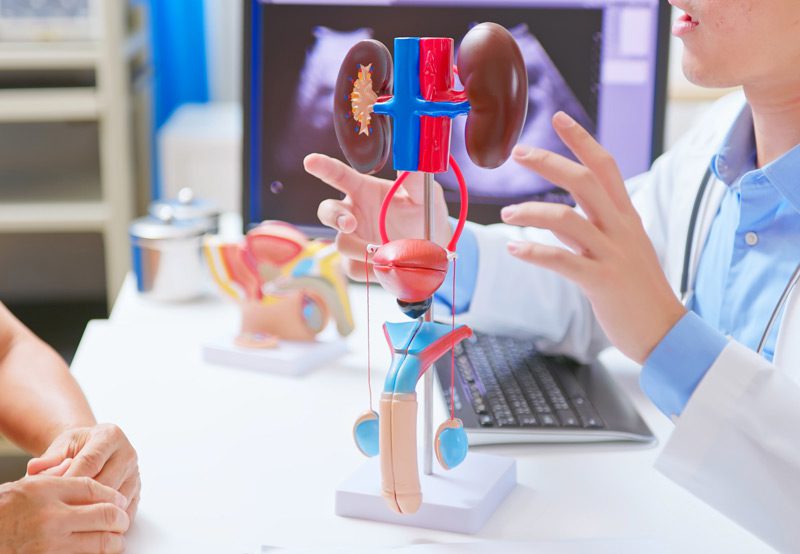
A urethral fistula is an abnormal connection between the urethra and another structure, such as the skin, vagina, or rectum. This condition allows urine to leak through unintended pathways, bypassing the normal urinary channel. Though uncommon, urethral fistulas can cause significant discomfort, hygiene challenges, and recurrent infections if not properly treated.
Causes of Urethral Fistulas
Urethral fistulas may develop due to a variety of underlying causes, including:
- Previous Surgery: Most commonly following pelvic or urologic procedures such as urethral diverticulectomy, urethroplasty, or vaginal surgery.
- Obstetric Trauma: Difficult or prolonged childbirth can damage the urethra and surrounding tissues, especially in cases of forceps delivery or episiotomy.
- Radiation Therapy: Pelvic radiation for cancer can weaken tissues and increase the risk of fistula formation.
- Infection or Inflammation: Chronic infections, abscesses, or inflammatory conditions such as lichen sclerosus can erode tissue and lead to fistula development.
- Urethral Diverticulum: A pouch in the urethral wall that becomes infected or ruptures may result in a fistula.
- Catheter-Related Trauma: Long-term indwelling catheters or traumatic catheter placement may contribute to tissue injury and fistula formation.

Symptoms
The presence of a urethral fistula often results in symptoms that are both physical and socially distressing:
- Continuous or uncontrolled leakage of urine
- Recurrent urinary tract infections
- Vaginal or perineal wetness
- Irritation or inflammation of the surrounding skin
- Malodor due to chronic moisture
- Pain during urination or intercourse
- In severe cases, visible drainage or opening on the skin
Diagnosis
Accurate diagnosis is critical for effective treatment planning. Diagnostic steps may include:
- Physical Examination: Visual inspection of the perineum or vagina may reveal an external fistula opening.
- Cystourethroscopy: A scope is used to visualize the urethra and bladder and identify the location and size of the fistula.
- Voiding Cystourethrogram (VCUG): A special X-ray taken during urination to trace the flow of contrast and identify any abnormal pathways.
- MRI or Ultrasound: These imaging tools may provide detailed visualization of the fistula and surrounding tissues.
Treatment Options
Surgical repair is the mainstay of treatment for urethral fistulas. The choice of procedure depends on the fistula’s size, location, and underlying cause:
- Fistula Excision and Primary Repair: Removal of the abnormal tract and reconstruction of the urethra using surrounding healthy tissue.
- Tissue Flap Reconstruction: In more complex cases, tissue flaps such as vaginal or labial flaps may be used to reinforce the repair and support healing.
- Urinary Diversion: A temporary urinary catheter or suprapubic tube may be used pre- or post-operatively to ensure proper drainage during healing.
Prognosis and Follow-Up
With proper surgical treatment, most urethral fistulas can be successfully repaired. However, recurrence is possible, particularly in patients with poor tissue quality or underlying inflammatory conditions. Long-term follow-up may include monitoring for urinary symptoms, recurrent infections, or signs of new fistula formation. Early evaluation and expert surgical care are essential for restoring urinary function and improving quality of life.